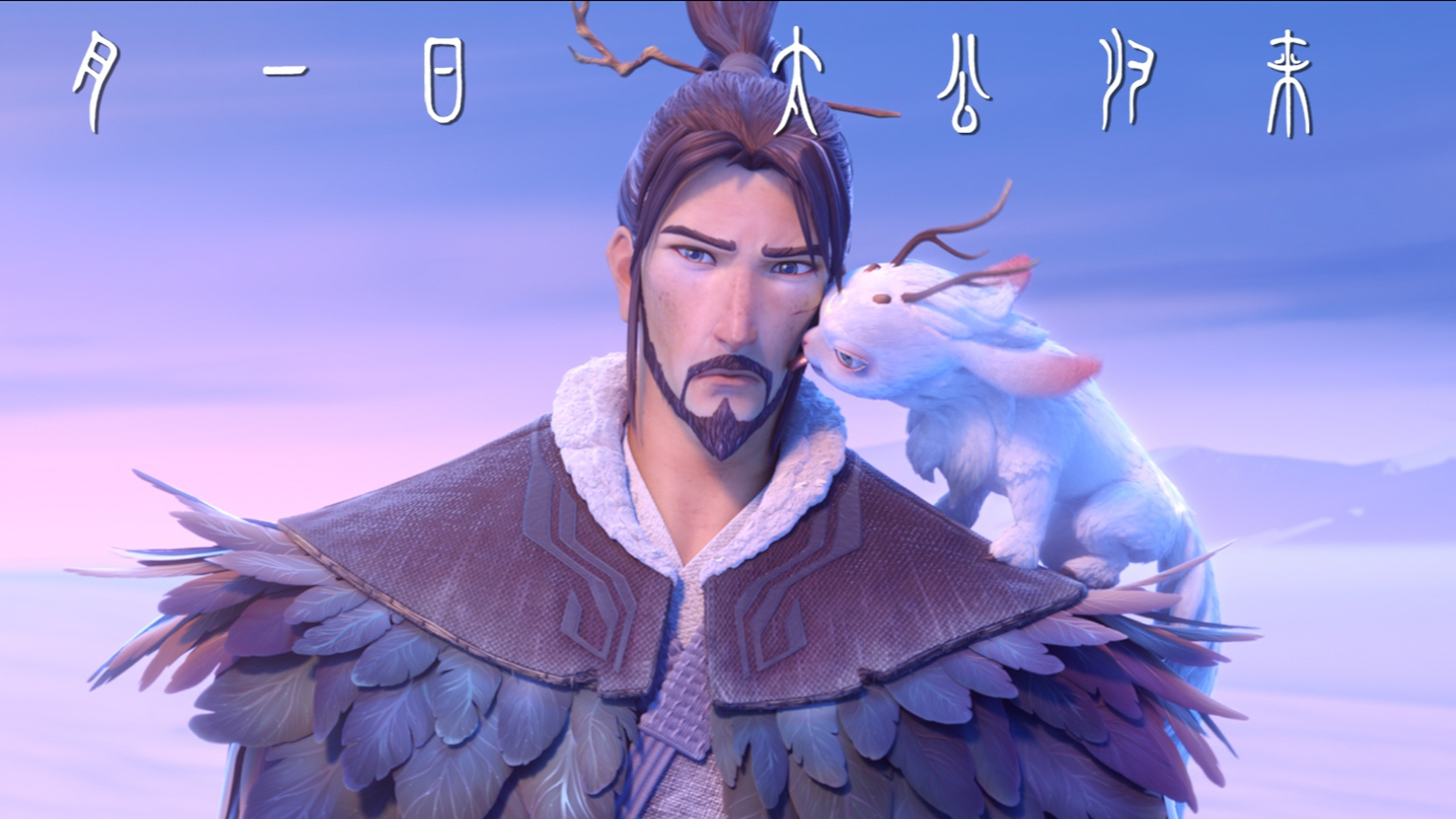
Legend of Deification
Introduction
Legend of Deification, known as Jiang Zi Ya in Chinese, is an animated film that delves into the rich tapestry of Chinese mythology and folklore. Released on Oct 1, 2020, the film is a product of the same creative universe that brought audiences Ne Zha, a monumental success in the realm of Chinese animated cinema. The film focuses on Jiang Ziya, a prominent mythological figure, exploring his journey and rise to greatness. Based on the timeless tale from the Ming Dynasty novel Fengshen Yanyi or The Investiture of the Gods, Legend of Deification offers a cinematic interpretation that reimagines the classic stories for modern audiences. This film not only serves as a narrative of heroism and strategy but also provides a glimpse into the cultural and historical contexts that have shaped these legendary tales over centuries.
Background
Historical Context
Legend of Deification draws its inspiration from the renowned Ming Dynasty novel Fengshen Yanyi, also known as The Investiture of the Gods. This literary work is a cornerstone of Chinese mythology, chronicling the exploits of various deities and legendary figures in a mythical era of ancient China. Set against a backdrop of epic battles and divine interventions, the novel is a blend of historical and fantastical narratives that have captivated readers for centuries. The story of Jiang Ziya, a central character in this novel, is one of strategic brilliance and divine influence, showcasing the intricate interplay between human ambition and supernatural forces.
Mythological Sources
The mythological roots of Legend of Deification are deeply embedded in the rich tapestry of Chinese folklore. As a key figure in Fengshen Yanyi, Jiang Ziya is depicted as a sage and strategist who plays a pivotal role in the overthrow of the Shang Dynasty (c.16th century-11th century BC), facilitating the rise of the Zhou Dynasty (c.11th century-256 BC). His story is intertwined with other mythological characters, including deities, demons, and heroes, each contributing to the grand narrative of cosmic balance and moral righteousness. The film adapts these mythological themes, presenting a visually captivating and narratively compelling exploration of Jiang Ziya's quest for enlightenment and justice.
Plot Summary
Legend of Deification unfolds the story of Jiang Ziya, a revered strategist and disciple of the gods, as he embarks on a transformative journey to fulfill his destiny. The film begins with Jiang Ziya's mission to vanquish the Nine-Tailed Fox Demon, a malevolent entity that threatens the harmony of the mortal and divine realms. However, as the plot progresses, Jiang Ziya faces a moral dilemma when he discovers that the demon may not be the true source of evil. This revelation propels him into a quest for truth and redemption, challenging his beliefs and alliances.
Throughout the film, Jiang Ziya encounters various mythological beings and former allies, each presenting new challenges and insights. His journey is fraught with battles and introspective moments that test his resolve and understanding of the divine order. As Jiang Ziya delves deeper into the mysteries of the gods and the universe, he is forced to confront his past decisions and the consequences they bear on the present world.
The narrative culminates in a climactic confrontation where Jiang Ziya must choose between adhering to the gods' commandments or forging his path to ensure justice and balance. His ultimate decision reflects the core themes of the film, emphasizing the complex nature of power, responsibility, and the pursuit of righteousness.
Themes and Motifs
Exploration of Power
Legend of Deification intricately explores the theme of power, examining its multifaceted nature and the responsibilities it entails. The film delves into the moral and ethical implications of wielding power, as exemplified by Jiang Ziya's struggle to reconcile his duties with his conscience. Power is depicted not merely as a tool for domination but as a burden that demands wisdom, foresight, and self-reflection. The narrative underscores the idea that true power lies not in control over others but in understanding oneself and making choices that uphold justice and harmony.
Influence of Deities
The influence of deities is a pervasive motif throughout Legend of Deification, highlighting the interconnectedness of the mortal and divine realms. The film presents a pantheon of gods and mythical beings whose actions and decisions directly impact the human world. This relationship between deities and mortals underscores the themes of fate, free will, and the cyclical nature of life. By portraying the gods as fallible and subject to the same moral quandaries as humans, the film invites viewers to reflect on the nature of divinity and the role of faith in shaping one's destiny.
Cultural Impact
Reception in Literature
The film's adaptation of ancient stories into a modern cinematic experience has sparked renewed interest in Chinese mythology and folklore. By staying true to the source material while infusing it with innovative storytelling techniques, the film has contributed to a broader appreciation of Chinese literary heritage and its relevance to modern cultural narratives.








